Crown lifting in Covent Garden: professional tree care for busy streets, courtyards, and commercial spaces
If you are looking for Crown lifting in Covent Garden, you are probably dealing with a very practical issue: trees that have grown a little too close to pathways, shopfronts, windows, signage, vehicle access, or the everyday flow of people through the area. Covent Garden has a character all of its own, with a mix of historic buildings, restaurants, theatres, office spaces, residential flats, planted courtyards, and high-footfall streets. That makes tree care here a little more nuanced than in a standard suburban setting.
Crown lifting is one of the most useful tree surgery services for property owners, landlords, facilities teams, business managers, and residents who want better clearance without losing the natural shape and value of a tree. Done properly, it can improve light, create safer access, and help a tree sit more comfortably within a busy urban setting. Done badly, it can leave the tree looking sparse, stressed, or unbalanced. That is why a local, experienced approach matters.
This service page is written for real customers in Covent Garden and the surrounding central London area who want clear information before booking. If you need practical advice, a site visit, or a quotation for crown lifting, this page explains what the service involves, what it suits, how it is planned, and why working with a local team can make the process smoother from the start.
What crown lifting means and why it is often requested locally
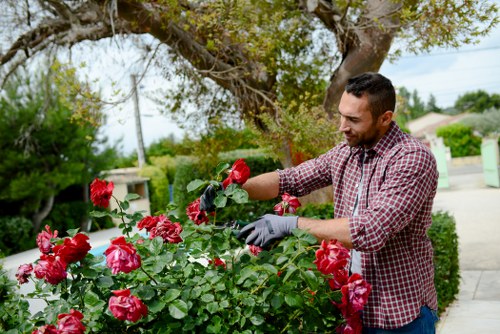
Crown lifting is the selective removal of lower branches from a tree so that the canopy starts higher above ground level. It is often used to improve clearance beneath the tree, whether that is for pedestrians, cyclists, vehicles, deliveries, shop access, outdoor seating areas, entrances, or visibility across a courtyard. In a place like Covent Garden, where space is at a premium and every square metre has a purpose, this can make a noticeable difference.
It is not simply about cutting branches away. A well-executed lift takes account of the tree species, age, condition, shape, and surroundings. The goal is to maintain a healthy crown while creating the right amount of access underneath. For many local properties, that balance is exactly what is needed. A tree can still provide shade, greenery, and a sense of calm while no longer interfering with day-to-day use of the space.
Customers request crown lifting for many reasons. Some want better visibility from a retail frontage. Others need head-height clearance in a courtyard or shared access route. In residential settings, residents often want more daylight into lower floors or easier movement around entrance paths. In commercial environments, it may be about practical access, cleaner sightlines, or reducing conflict between trees and regular footfall. In central London locations like Covent Garden, these priorities often overlap.
Why crown lifting is especially useful in Covent Garden

Covent Garden is a dense, active part of central London with a unique blend of old and new. You will find period buildings, managed estates, terraces, internal courtyards, mixed-use developments, hospitality venues, and office premises all sharing a relatively small area. Trees in this environment need to work hard. They must complement the streetscape, fit within restricted spaces, and remain practical for the people who live, work, and visit there.
Local conditions often shape the way crown lifting is approached. Access can be limited by narrow streets, shared entrances, pedestrian traffic, loading restrictions, underground services, and the need to coordinate with neighbours or building managers. There may be specific times when work is easier, especially where businesses need to avoid disruption during peak hours. A local tree team understands these pressures and can plan the work in a way that respects the area around it.
In Covent Garden, the value of tree work is not only visual. Trees often sit close to windows, terraces, paving, lighting, signage, or communal routes. If lower branches are becoming intrusive, a crown lift can restore the usefulness of the space. It can also help reduce the feeling of enclosure in tighter urban courtyards, where too much low growth can block light and make an area feel smaller than it really is.
Signs your tree may benefit from crown lifting

It is not always obvious when a tree needs attention. Sometimes the change is gradual, and what begins as a few low branches soon turns into a practical problem. If you are unsure whether crown lifting is the right option, look for signs such as branches brushing against people as they pass, obstructing signage or shop windows, blocking a doorway, or reducing access for maintenance and deliveries.
Another common sign is reduced visibility. Trees can be beautiful, but if the lower canopy is so dense that it blocks sightlines around an entrance, car park access, communal passage, or business frontage, the tree may be working against the function of the property. This is particularly relevant in busy mixed-use parts of Covent Garden where visibility and access both matter.
You might also notice that light is being restricted at lower levels. Ground-floor rooms, basement lightwells, courtyards, and planted internal spaces can all benefit from a higher canopy line. In some cases, residents ask for crown lifting because they want a more open feel without removing the tree altogether. That is one of the main strengths of the service: it can be a middle ground between doing nothing and taking on more extensive tree work.
What is included in a professional crown lifting service
A proper crown lifting service is more than just cutting back the lowest branches. It begins with an assessment of the tree and the site. That assessment considers the tree’s condition, the amount of clearance required, nearby structures, the footpath or access route beneath it, and any constraints linked to the property or surrounding area. A careful approach is especially important in a place with varied tree stock and sensitive settings like Covent Garden.
Depending on the situation, the work may include selective branch removal to achieve a higher canopy, minor shaping to keep the tree balanced, and the careful handling of cut material so the site is left tidy and usable. In some cases, a tree may need a light crown lift only, while in others the lift may be more noticeable to create practical clearance. The precise work depends on the tree and the customer’s objectives.
Typical elements of the service may include:
- On-site inspection and discussion of your access or clearance needs
- Assessment of tree species, structure, and overall condition
- Selective removal of lower branches to raise the canopy
- Protection of nearby surfaces, planting, and access routes where appropriate
- Collection and removal of arisings unless otherwise agreed
- A tidy finish so the area can be used again promptly
For commercial customers, there is often a need to work carefully around customer flow, delivery schedules, or opening hours. For residential customers, there may be concerns about shared gardens, light levels, overlooking, or noise. A local team can adapt the service to suit the property type rather than applying a one-size-fits-all approach.
How the crown lifting process works

Most customers appreciate knowing what to expect before work begins. A straightforward process helps avoid surprises and makes planning easier, particularly in central London where coordination often matters as much as the tree work itself.
1. Initial enquiry and property details
We begin by understanding the tree, the location, the access requirements, and your main concerns. Is the issue clearance for pedestrians, more light, better visibility, or access for staff and residents? The more clearly the problem is described, the easier it is to recommend the right approach.
2. Site assessment
Next comes an assessment of the tree and surrounding space. In Covent Garden, this often includes checking how the tree sits relative to the building, pavements, internal courtyards, loading areas, or shared entrances. This is where local knowledge is valuable, because access limitations and neighbour coordination can affect the work plan.
3. Recommended lifting height and method
The team will suggest an appropriate level of crown lift based on the tree’s species, structure, and your needs. The aim is to achieve practical clearance without stripping too much lower growth or leaving the tree top-heavy.
4. Carrying out the work
Once agreed, the work is completed with the right equipment and safety measures for the site. Depending on the tree and setting, this may involve climbing, rigging, or the careful use of access equipment where space allows.
5. Clearance and tidy-up
After the branches are removed, the work area is cleared so the space can be used again. For businesses, this is particularly useful when the area needs to reopen quickly or remain presentable.
What makes a good crown lift in a busy urban setting
A good crown lift is judged not only by how high the branches are removed, but by the overall result. The tree should still look natural and well proportioned. It should continue to contribute to the environment without creating unnecessary obstruction. In a location like Covent Garden, where streetscapes are often carefully managed, this balance is important.
There are a few key principles behind quality work:
- Maintain the tree’s natural form where possible
- Avoid over-lifting, which can make the tree look severe or unstable
- Preserve enough foliage for healthy growth and shade
- Take account of surrounding buildings, pavement space, and public use
- Plan around access restrictions and the needs of neighbours or tenants
Not every tree should be lifted to the same extent. A young ornamental tree in a courtyard will be treated differently from a mature street tree near a busy pedestrian route. This is where an experienced local tree surgeon can add real value: by applying practical judgement rather than following a rigid template.
For customers, this means the work is less likely to create avoidable issues later. A thoughtful crown lift should reduce inconvenience now while supporting the tree’s continued presence in the landscape.
Why local knowledge matters for Covent Garden properties
Choosing a local company for crown lifting in Covent Garden can make the whole process easier. Central London properties often come with layers of practical considerations that are not obvious from the outside. There may be restricted access points, limited parking, time-sensitive operations, managed estates, or the need to keep communal spaces safe and presentable throughout the day.
A local team is more likely to understand how to work around these conditions efficiently. That can include planning around pedestrian flow, using suitable equipment for tight access, liaising with property managers where required, and keeping disruption to a minimum. In a busy area, those details matter just as much as the tree work itself.
Local experience also helps when the service is being carried out near a mix of property types. Covent Garden includes residential apartments, boutique commercial units, hospitality venues, offices, and shared external spaces. Each has different priorities. A restaurant may need unobstructed front-of-house areas. A resident may want extra daylight. A landlord may need to balance tree appearance with long-term maintenance. A local tree surgery team can adapt to all of these needs more easily.
Areas and property types commonly covered
Although the focus here is Covent Garden, crown lifting work is often requested across nearby central London locations too. Customers may need the service in surrounding areas such as Soho, Holborn, Fitzrovia, Strand, Bloomsbury, and parts of Westminster or the West End. The exact scope depends on access, property type, and the work required, but the same principles apply: practical clearance, tidy workmanship, and respect for the setting.
Common property types include:
- Residential flats and apartment blocks
- Mixed-use buildings with shared entrances
- Commercial offices and professional suites
- Restaurants, cafes, and hospitality venues
- Retail units and courtyard-facing shopfronts
- Managed gardens, planted terraces, and internal courtyards
- Institutional and estate-managed spaces
Each type of property has different priorities. In a business setting, presentation and access are often key. In residential settings, noise, privacy, and neighbour coordination may matter more. A professional service should be flexible enough to handle both with equal care.
Preparing for crown lifting work
There are a few simple things customers can do to help the work go smoothly. Good preparation saves time, reduces confusion, and helps the team focus on the tree itself. It also makes it easier to complete the job safely in a busy area.
Useful preparation checklist:
- Identify the tree or trees that need attention.
- Clarify the main reason for the work: clearance, access, light, or appearance.
- Check whether the tree sits within a shared or managed area.
- Consider whether neighbours, tenants, or building managers need to be informed.
- Note any time restrictions, loading issues, or access limitations.
- Make sure the area beneath the tree can be used safely during the work period.
If the tree is near a public-facing frontage, courtyard, or business entrance, it may also help to think about busy times of day. In Covent Garden, timing can be as important as technique. Early starts, quieter windows, or coordinated scheduling may make the service more convenient for everyone involved.
Customers often find that a quick site discussion is the best way to confirm what is practical before the work is booked. That way, the final plan matches the actual site conditions rather than assumptions.
Pricing factors for crown lifting
Because every tree and every site is different, pricing for crown lifting depends on several factors. It is not a flat, one-size-fits-all service. The size and species of the tree, the amount of lifting required, the difficulty of access, and the number of trees involved will all affect the overall scope of the job.
Common pricing factors include:
- Tree height and canopy spread
- How much lower growth needs to be removed
- Site access and whether equipment can be brought close to the tree
- Any need for careful work around paving, planting, or buildings
- Waste removal requirements
- Time constraints or coordination with site management
In central London, access can influence cost as much as tree size. A tree that appears modest from the ground may still take extra planning if it sits behind a building, within a courtyard, or near a restricted access route. That is why an accurate quotation usually depends on a proper look at the site. If you are comparing options, ask for a clear explanation of what is included so you can make an informed decision.
Why customers choose crown lifting instead of removal
Many people want to keep a healthy tree if they can. That is one reason crown lifting is so popular in urban settings. It lets you improve the usability of a space without losing the benefits of the tree itself. In a place like Covent Garden, where greenery can soften hard surfaces and add calm to an active environment, preserving trees often makes sense.
Tree removal may be necessary in some situations, but it is usually a more significant decision. If the tree is healthy and the main issue is low branches, crown lifting may provide the practical solution you need while retaining shade, character, and ecological value. It can also be a better fit where a mature tree contributes to the atmosphere of a courtyard, frontage, or shared outdoor area.
For many customers, the appeal is simple: keep the tree, improve the space, and avoid unnecessary loss of canopy. That is why crown lifting is such a useful part of ongoing tree maintenance in busy parts of London.
How to know whether crown lifting is enough
There are times when crown lifting is the right answer on its own, and times when it may need to be combined with another service such as crown thinning, reduction, deadwood removal, or longer-term maintenance planning. The right choice depends on what problem you are trying to solve.
If your main issue is low branches interfering with movement, visibility, or access, lifting may be sufficient. If the tree is also dense, casting too much shade, or rubbing against structures, another approach may be more appropriate. A qualified tree surgeon should explain the options clearly so you understand what each one achieves.
In practical terms, the decision should come down to the site outcome you want. If the tree currently gets in the way of people, vehicles, or daily use of the property, the aim is to restore function while keeping the tree in good condition. That is the kind of result customers typically want from a local crown lifting service.
Frequently asked questions
How high should a crown lift be?
The right height depends on the tree, the setting, and what you need the space for. A pedestrian route, a courtyard entrance, and a vehicle access area may all require different clearances. A site assessment helps determine a sensible level.
Will crown lifting harm my tree?
When carried out carefully and with restraint, crown lifting should not harm a healthy tree. The key is to remove the right amount of lower growth without overworking the canopy or creating a poor shape. This is why experience and judgement are important.
Can crown lifting improve light in ground-floor rooms?
Yes, it often can. Removing lower branches allows more light under the canopy, which can help courtyards, lower windows, and ground-floor spaces feel brighter and less enclosed.
Do I need to arrange access in advance?
In many Covent Garden properties, yes. Shared entrances, managed courtyards, and restricted access routes often require a little coordination before work day. This is normal and can help the job run more smoothly.
Is crown lifting suitable for older or mature trees?
It can be, provided the tree is assessed properly. Mature trees often need a particularly careful approach so their structure remains balanced and their appearance stays natural.
Can the service be arranged for commercial premises?
Absolutely. Crown lifting is often requested by commercial customers who need better access, visibility, or presentation around a frontage or shared outdoor area.
Why choose a local company for Crown lifting in Covent Garden
When you book Crown lifting in Covent Garden, you are not just booking tree work. You are choosing a team that needs to understand the layout, pace, and practical challenges of the area. That is where local knowledge has a clear advantage. A company familiar with central London conditions is better placed to plan access, anticipate constraints, and complete the work with minimal disruption.
That local understanding can also help with communication. Whether the property is residential, commercial, or mixed-use, a good local team will take time to understand the site before starting. They will know that one building may need quiet scheduling while another needs careful coordination with deliveries or visitors. They will also know that a tidy finish is not optional in a place where appearance matters.
If you want a tree care service that respects both the tree and the setting, local experience is worth prioritising. It helps keep the process straightforward and the outcome more useful for the people who actually use the space.
When to request a quote or site visit
If the lower branches are already causing problems, it is sensible to request a quote sooner rather than later. Waiting can make access issues more frustrating and may allow the situation to become more awkward for residents, customers, or building users. A timely assessment can help you decide whether crown lifting is the right solution and how quickly it can be arranged.
This is especially useful if you are planning around seasonal changes, visitor traffic, or upcoming works to the property. Businesses may want to address tree clearance before busy trading periods. Residents may want to improve light before darker months. Estate managers may want to tackle multiple trees in a single planned visit.
Contact us today to request a free quote or book your service now. If you need practical crown lifting for a Covent Garden tree, the best next step is usually a discussion about the site, your access needs, and the result you want to achieve.
Final thoughts
Crown lifting is one of the most effective ways to make a tree work better within a busy urban property. In Covent Garden, where space is precious and tree care must fit around people, buildings, and daily activity, it can solve real access and light issues without removing a valuable tree. Whether you manage a commercial frontage, maintain a shared courtyard, or simply want better clearance near your home, this service can provide a practical, tidy, and visually sympathetic solution.
If you are considering crown lifting in Covent Garden, the best results come from a careful assessment, clear communication, and a team that understands the demands of central London sites. Book your service now or request a quotation to discuss the tree, the space, and the level of clearance you need.