Tree pruning in Covent Garden: professional care for local homes, courtyards, businesses, and managed properties
If you are looking for Tree pruning in Covent Garden, you are likely dealing with a tree that is starting to block light, overhang a path, crowd a terrace, or simply look untidy after a period of growth. In a busy central London area like Covent Garden, trees need careful attention. They are often growing in compact spaces, close to buildings, near public routes, or within shared gardens where precision matters as much as appearance.
Our local tree pruning service is designed for customers who want healthy, attractive trees without the hassle of overgrowth, broken branches, or unnecessary disruption. Whether you manage a residential courtyard, a townhouse garden, a business frontage, or part of a mixed-use building, the aim is the same: make the tree safer, tidier, and better suited to its setting.
Pruning is not just about cutting branches back. Done properly, it supports the long-term shape, health, and balance of the tree. It also helps reduce nuisance issues such as shading, rubbing branches, low-hanging limbs, and overextension into roofs, windows, or shared access routes. For local customers in and around Covent Garden, a knowledgeable team can make a real difference because the work has to be carried out with care, timing, and a clear understanding of the surroundings.
Local tree pruning for Covent Garden properties

Covent Garden is a distinctive part of central London, with a mix of period buildings, modern developments, retail spaces, hospitality venues, office premises, and residential apartments. That variety means trees are often situated in tight, awkward, or highly visible locations. A tree pruning service in Covent Garden needs to account for footfall, neighbouring properties, limited storage space for equipment, and access restrictions that may not be an issue in quieter suburban areas.
We regularly speak with customers who need their trees improved for practical reasons. Some want more daylight into a ground-floor room or courtyard. Others need to keep branches clear of a shopfront, signage, or outdoor seating area. Some are concerned about a tree becoming too dominant for a small garden, while others simply want routine maintenance to keep a tree in good condition.
Tree pruning in Covent Garden is especially useful where trees have outgrown their setting. In smaller urban plots, even a healthy tree can become a problem if it is not shaped correctly. Proper pruning helps preserve the tree while keeping it compatible with the space around it.
For commercial customers, presentation matters too. A well-maintained tree helps create a better first impression for clients, guests, and visitors. For residential customers, neat and well-balanced pruning can make a courtyard or garden feel larger, brighter, and easier to enjoy.
Why pruning matters more in central London

Tree pruning is particularly important in central London because the environment is more constrained. Branches can quickly interfere with windows, walls, guttering, rooflines, lighting, and access paths. In a place like Covent Garden, even minor encroachment can feel significant when a building is close to the pavement or when a shared outdoor area is used by multiple occupants.
There is also the question of safety. Deadwood, weak junctions, split limbs, and crowded growth can become more problematic in exposed or high-traffic areas. A sensible pruning program helps reduce the chance of branch failure and can remove obvious hazards before they become urgent issues.
Another reason pruning is so useful in Covent Garden is the visual environment. This area has a strong character, and trees contribute to that atmosphere when they are carefully maintained. Well-executed pruning helps a tree remain an asset rather than a nuisance, especially where appearance is part of the value of the property.
Many local customers also want a balance between maintenance and conservation. They do not want to cut too much or damage a mature tree. That is why choosing a team that understands how to prune selectively is important. The right approach keeps the tree healthy while achieving the result you want.
What our tree pruning service includes
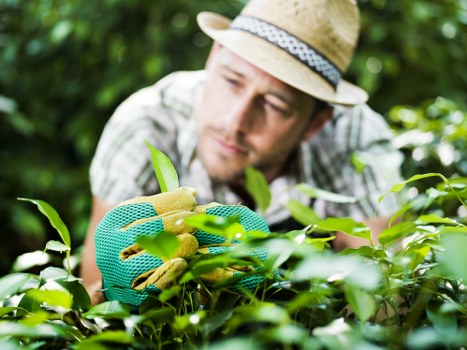
Every property is different, so pruning should be planned around the tree’s species, age, condition, and location. A good service starts with assessing what needs to be removed and what should be retained. We then carry out the work in a controlled and tidy way, aiming to improve the tree without overworking it.
Typical tree pruning work may include:
- Removing dead, damaged, or diseased branches
- Reducing overextended limbs that are becoming too heavy
- Clearing branches from buildings, paths, and access areas
- Improving shape and balance for a cleaner appearance
- Lightening dense crowns to admit more daylight
- Selective thinning where space is limited
- Maintaining clearance above pedestrian or vehicle routes
- Managing trees in shared or communal spaces
Depending on the tree and the situation, pruning may be light and cosmetic or more substantial and corrective. Either way, the aim is to keep the work proportionate. Good pruning should be noticeable for the right reasons: better structure, better light, better safety, and a healthier tree.
We also pay close attention to cleanliness and site tidiness. In Covent Garden, customers often need minimal disruption. That means careful handling of debris, responsible working methods, and a clear plan for clearing away branches and cuttings once the pruning is complete.
Different pruning methods and when they are used
Not every tree needs the same type of attention. Some trees benefit from a light seasonal tidy-up, while others need a more focused structural approach. Understanding the different pruning methods helps you choose the right service for your goals.
Common pruning approaches
Crown thinning reduces density by removing selected branches throughout the canopy. This can improve light penetration and air movement without significantly changing the overall shape. It is often useful where a tree feels heavy or shaded, but there is no need for major size reduction.
Crown reduction lowers the overall height or spread of the canopy while keeping a natural outline. This may be suitable when a tree has grown too close to a building, is crowding a small garden, or is reaching into a confined space.
Crown lifting removes lower branches to raise the canopy. This is commonly used where access is needed beneath the tree, such as over a walkway, driveway, courtyard, or shop frontage.
Deadwood removal targets dead or unstable limbs. This is often one of the most practical forms of pruning because it improves safety and tidiness at the same time.
Formative pruning is often used on younger trees to guide a strong future structure. If a tree is still developing, early intervention can help prevent future problems and reduce the need for more drastic work later.
Choosing the right method
The right pruning method depends on the tree’s condition, the available space, and what the customer wants to achieve. We always aim to avoid excessive cutting. A tree that is heavily reduced without proper thought may become stressed, unattractive, or more prone to poor regrowth. A measured, selective approach is usually best.
Tree pruning for residential customers in Covent Garden

Residential tree pruning in Covent Garden often focuses on space, privacy, and light. In apartments, mews-style homes, terrace properties, and buildings with shared gardens, trees can quickly affect how comfortable a space feels. A canopy that has become too dense can cast deep shade over a patio or reduce the amount of natural daylight reaching ground-floor rooms.
Many homeowners ask for pruning because branches are touching the property, brushing windows, or extending into neighbouring areas. Others want to improve the look of a tree that has become uneven or cluttered over time. In compact urban gardens, shaping a tree correctly can make the whole area feel calmer and more usable.
For shared residential settings, communication and planning matter. If the tree is near a communal courtyard or shared boundary, pruning may need to be scheduled around residents, building managers, or access times. A local team familiar with central London properties can handle that more smoothly than a contractor unfamiliar with the area.
It is also worth remembering that some trees in and around Covent Garden may be subject to protective controls or form part of a managed landscape. If that applies, pruning should be approached carefully and in line with the appropriate permissions or requirements. A professional service should always consider this before work begins.
Tree pruning for commercial and managed premises
Ideal for shops, restaurants, offices, hotels, and landlords
Commercial tree pruning is often about keeping premises presentable and safe while reducing disruption to staff, customers, and visitors. In Covent Garden, businesses operate in a busy and highly visible environment. A tree that blocks signage, shades a display, sheds debris, or grows too close to a forecourt can become a genuine operational issue.
Pruning can support a better customer experience by keeping entrances clear and improving the look of the outside space. For hospitality businesses, outdoor seating areas and arrival points are especially important. For offices and managed buildings, neat trees contribute to a professional appearance and reduce maintenance issues around pathways and façades.
Landlords and property managers also benefit from pruning because it helps maintain the long-term condition of the landscape around a building. It can reduce complaints from occupants, improve access for maintenance teams, and help keep the estate looking cared for throughout the year.
Where a tree sits close to an active trading area, we understand the need to work efficiently and with minimum interruption. That may mean planning work carefully, keeping noise and mess under control, and completing the job in a way that respects the surrounding business environment.
What to expect when you book tree pruning in Covent Garden
A straightforward process designed for busy local customers
When you book tree pruning in Covent Garden, the process should feel clear and manageable from the outset. Most customers want to know what will happen, how much disruption there will be, and whether the work is suitable for their specific tree. A reliable service should answer those questions plainly.
Typical steps include:
- Discussing the tree, the location, and the outcome you want
- Assessing access, height, and the condition of the tree
- Identifying the right pruning method for the situation
- Carrying out the work safely and with care for nearby property
- Clearing branches and tidying the site on completion
Good communication is especially helpful in central London, where access arrangements may be tight and timing may need to work around residents, staff, or visitors. If a tree is in a courtyard, a rear garden with limited entry, or close to a busy street, planning matters as much as the pruning itself.
For customers wanting to book quickly, a clear quotation and an honest assessment are important. You should feel confident that the work recommended is suitable for the tree and proportionate to the issue you are trying to solve.
Preparation checklist before pruning
How to make the job smoother
Most customers do not need to do much to prepare, but a little planning can help the work run more smoothly. This is particularly helpful where access is limited or where the tree sits close to doors, parked vehicles, or shared areas.
Useful preparation steps:
- Move cars, bicycles, bins, and outdoor furniture away from the work area if possible
- Let neighbours or building occupants know if branches may affect shared access
- Keep pets and children away from the area while the work is underway
- Ensure any gates, side access points, or courtyard entries can be opened easily
- Point out any fragile paving, decorative features, or nearby fixtures that need extra care
- Tell the team about any known issues such as loose branches, previous pruning, or recent storm damage
If you are unsure whether a tree is suitable for pruning or whether it needs a different type of care, it is better to ask before the work is booked. A quick conversation can prevent unnecessary disruption and help ensure the right service is provided.
For many Covent Garden properties, access and timing are the main concerns. Narrow entrances, basement lightwells, internal courtyards, and restricted loading areas can all affect how the work is carried out. A local team used to these conditions can plan accordingly.
Pricing factors for tree pruning
What affects the cost of the work?
Tree pruning prices vary because every job is different. The size and type of tree, the amount of work needed, the location, and the access conditions all influence the amount of time and equipment required. In Covent Garden, access often plays a major role because many properties are tightly arranged and difficult to reach with larger equipment.
Main factors that can affect pricing include:
- Tree height, spread, and overall condition
- The amount of pruning needed
- Whether deadwood, reduction, thinning, or lifting is required
- Ease of access for staff and equipment
- Proximity to buildings, roads, and public areas
- Whether the site requires extra protection or careful manual handling
- Any need for working around restricted access times
Some jobs are quick and straightforward. Others require more planning, especially if the tree is in a difficult courtyard or near sensitive surfaces. Rather than focusing only on cost, most customers want to know they are getting the right work done safely and properly.
Request a free quote if you want a clear idea of what the pruning will involve. A proper quotation should reflect the actual site conditions and the scope of the work, not a one-size-fits-all assumption.
Why choose a local Covent Garden tree pruning company?
Practical local knowledge makes the difference
Working locally matters in central London. A team that regularly operates in Covent Garden is more likely to understand the challenges that come with the area: constrained access, busy pedestrian routes, mixed-use buildings, and the need to work with consideration for neighbours and businesses.
Local knowledge is useful when planning how to reach a property, when to schedule the work, and how to handle the tree without causing avoidable disruption. It also helps if the pruning needs to be coordinated with other property maintenance or managed building requirements.
Reasons customers often prefer a local tree pruning service:
- Better understanding of central London access conditions
- Experience with courtyards, terraces, and confined garden spaces
- More practical planning around busy streets and pedestrian movement
- Familiarity with the needs of residential and commercial properties
- Efficient handling of waste, site tidiness, and cleanup
There is also comfort in working with a team that understands the character of the area. Trees in Covent Garden are often part of the setting’s appeal, so pruning should enhance the space without making it feel stripped back or overmanaged. That balance is easier to achieve with experience.
Areas we commonly cover around Covent Garden
Nearby streets, districts, and central locations
Customers looking for tree pruning in Covent Garden often also need work completed in nearby central London locations. The same access issues and property types can be found across the surrounding area, so it is useful to work with a team that covers a wider local patch.
Areas commonly covered include:
- Covent Garden
- Seven Dials
- Holborn
- Soho
- Leicester Square
- Bloomsbury
- Fitzrovia
- The Strand
- St James’s
- Westminster
This broader local coverage is helpful for customers managing multiple properties or businesses across central London. It also means a pruning team is more likely to be familiar with the types of access and site conditions found throughout the area, from small internal gardens to commercial courtyards and rooftop or terrace planting.
If you are nearby but not sure whether your property falls within the service area, it is usually best to ask when you enquire. A local company can confirm whether the work can be arranged and what information is needed to proceed.
How to know when a tree needs pruning
Signs it is time to arrange an inspection or quote
Some trees clearly need attention, while others benefit from pruning before a problem becomes obvious. In a busy area like Covent Garden, it is often better to deal with growth early, especially if the tree is near a building, shared access point, or public-facing space.
Common signs pruning may be needed:
- Branches are touching or nearing the property
- The canopy is blocking too much light
- The tree looks unbalanced or has uneven growth
- Deadwood is visible within the crown
- Low branches are restricting access
- Leaves, twigs, or debris are becoming a regular nuisance
- Storms have left the tree damaged or misshapen
If you notice one or more of these issues, it does not always mean drastic work is required. Often, a selective pruning session can solve the problem while preserving the character of the tree. The best approach depends on the species, age, and setting.
Book your service now if you want a professional opinion on what your tree needs. Early action can be simpler, neater, and less disruptive than waiting until the tree becomes difficult to manage.
Tree care that respects the character of Covent Garden
A careful, considered approach for a distinctive area
Covent Garden has a unique feel, and that extends to its trees and planted spaces. Customers here often want maintenance that is discreet, tidy, and effective rather than heavy-handed. That is particularly true where trees contribute to a courtyard, frontage, or shared landscape that is part of the building’s identity.
We understand that pruning should support the setting, not overpower it. That means taking only what needs to be removed, keeping a natural outline where possible, and making sure the final result looks intentional. Good pruning is about control, health, and proportion.
For homeowners, landlords, facilities teams, and business owners alike, the result should be a tree that feels managed rather than cut back in a way that looks harsh. Done well, pruning can improve light, safety, and presentation all at once.
If your property has a mature tree that has become difficult to manage, now is a sensible time to arrange a quote. A professional assessment can help you decide whether pruning alone is enough or whether other tree care may also be needed.
Frequently asked questions
Common questions from local customers
How often should trees be pruned?
This depends on the species, age, growth rate, and location. Some trees need attention every few years, while others benefit from more regular maintenance in confined urban spaces. A local assessment is the best way to judge the timing.
Will pruning damage the tree?
When pruning is done correctly and kept proportionate, it should support the tree’s health and shape. Problems usually arise when too much is removed or cuts are made without considering the tree’s natural structure.
Can you prune trees in small courtyards or tight access areas?
Yes. Many Covent Garden properties have restricted access, so careful planning and manual handling are often part of the job. The key is to assess the site properly and work methodically.
Do you handle both residential and commercial jobs?
Yes. Tree pruning in Covent Garden is often needed for apartments, shared gardens, restaurants, shops, offices, and managed buildings. The approach can be adapted to suit each property type.
What if the tree is close to neighbours or shared boundaries?
That is very common in central London. Pruning can often reduce overhang and improve clearance, but it should be carried out carefully with respect for adjacent properties and any relevant permissions.
What happens to the cut branches?
A tidy finish is part of the service. Branches and debris are normally cleared away so the site is left orderly and ready to use again.
How do I get started?
The simplest step is to request an assessment or quote. Share a few details about the tree, its location, and what you would like to achieve, then arrange a convenient time for the work.
Ready to arrange tree pruning in Covent Garden?
Take the next step with a local team
If your tree is blocking light, growing too large for its setting, or starting to affect the look and usability of your property, pruning may be the right solution. A well-planned service can improve safety, protect the tree’s health, and make your outdoor space feel more manageable.
Local customers in Covent Garden often need a service that is thoughtful, efficient, and able to work around the realities of central London. Whether you need a light trim, crown reduction, deadwood removal, or regular maintenance, the key is to choose a team that understands the area and works with care.
Contact us today to discuss your tree, ask about the most suitable pruning approach, or request a free quote. If you are ready to improve your property’s trees, book your service now and take the first step toward a safer, smarter, and better-kept outdoor space.
Tree pruning in Covent Garden is not just maintenance; it is a practical investment in the appearance, safety, and long-term condition of your trees and property.